Well Pressure Tank Installation & Service
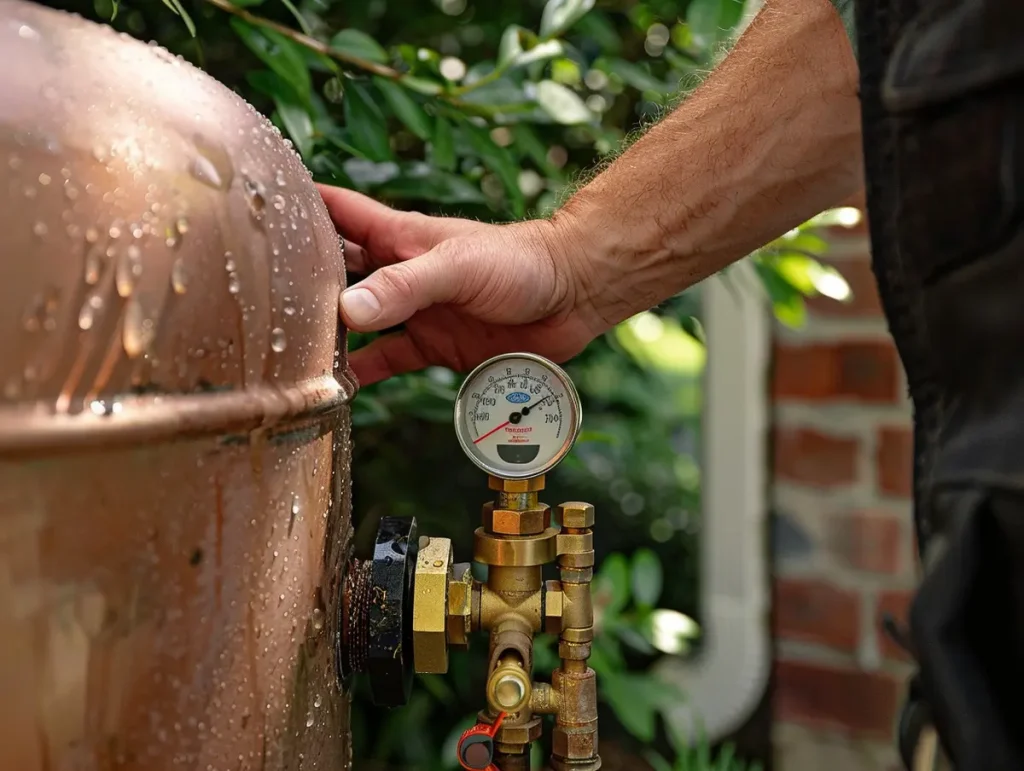
Professional Well Pressure Tank Calibration & Installation in Bucks County
A private water well infrastructure depends heavily on a properly pressurized environment to deliver steady water flow to household fixtures. While the submersible pump is responsible for moving water out of the ground, the pressure tank acts as the primary storage buffer and regulatory heartbeat of the entire system. Without this crucial storage cushion, a well pump would be forced to turn on and off every single time a faucet is opened or a toilet is flushed. Maintaining a healthy pressure tank setup is essential for safeguarding expensive electrical components and balancing delivery lines. When a tank suffers from internal bladder failure or structural degradation, implementing a timely, professional replacement solution is critical to prevent total system breakdown.
Understanding the Mechanics of Well Pump Short-Cycling
When a well pump rapidly clicks on and off within seconds during normal water usage, the system is experiencing a highly damaging phenomenon known as short-cycling. This operational error almost always points directly to a compromised well pressure tank that has become completely waterlogged. Under normal conditions, a captive air charge inside the tank compresses as water enters, creating the physical force needed to push water through the house. If the internal rubber bladder ruptures or the air valve leaks, water completely fills the chamber, removing the compressible air cushion entirely. Forcing a pump motor to start up dozens of times an hour causes intense electrical strain, leading to premature motor burnout if left unaddressed.
Advanced Diagnostic Testing of Bladder Pressurization and Switches
Accurately evaluating a malfunctioning pressure setup requires a systematic check of both pneumatic pressure and electrical controls. Technicians utilize specialized analog gauges to read the tank’s pre-charge pressure only after draining the plumbing lines completely to ensure accuracy. This physical check determines if the internal rubber barrier is holding air or if water is leaking into the air chamber. Simultaneously, inspecting the brass contacts on the pressure switch ensures the electrical cut-in and cut-out thresholds match the manufacturer specifications. This comprehensive evaluation prevents property owners from unnecessarily replacing functional controls when the underlying issue is a hidden drop in pneumatic pressure.
Strategic Selection and Sizing of Storage Tanks
A successful system upgrade depends heavily on selecting a tank that matches the unique hydraulic output of the existing submersible pump. Tanks that are too small fail to provide the necessary drawdown capacity, which is the actual amount of water stored before the pump motor must activate. Installing premium, heavy-duty steel or composite tanks lined with seamless, multi-layer bladders helps prevent internal corrosion and water contamination over time. Matching the tank’s holding volume directly to the pump’s gallons-per-minute rating ensures the motor enjoys an optimal runtime during each cycle, which minimizes mechanical friction and extends the operational lifespan of the entire infrastructure.
Precision Plumbing Assembly and Control Calibration
Integrating a replacement pressure vessel into a home’s utility room demands exact plumbing alignments and high-grade structural fittings. Utilizing heavy-duty brass tank tees allows for the clean, secure mounting of essential safety components, including the pressure relief valve, the drain spigot, and the control switch. Soldering clean copper connections or securing durable flexible piping ensures leak-free operations under continuous high pressure. Once the physical plumbing assembly is locked in place, the air pre-charge must be carefully adjusted to sit precisely two pounds per square inch below the pump switch’s cut-in setting, establishing the exact hydraulic balance needed for seamless water delivery.
System Verification and Water Pressure Stabilization
The final stage of a professional tank service involves extensive testing to verify that household water delivery is completely stabilized. Slowly filling the new pressure vessel allows technicians to check all joints for micro-leaks and clear any lingering air pockets from the primary distribution lines. Running continuous operational cycles confirms that the pump initiates and shuts down smoothly according to the calibrated limits. This thorough mechanical verification ensures that the plumbing system delivers immediate, consistent water pressure and a steady flow across all household taps. Hearing your pump click on and off, or noticing pressure that surges and drops? Call (484) 312-5602 and a local technician can check your tank before the short-cycling wears out your pump.