Bucks County Well Drilling & Deepening
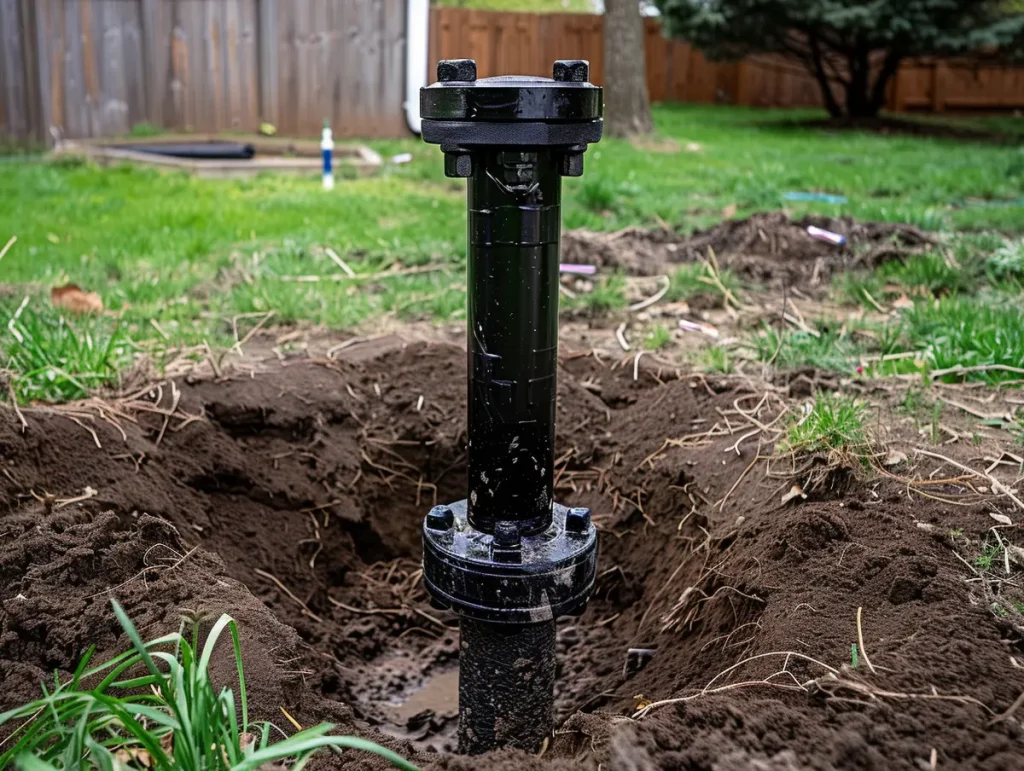
Constructing a brand-new private water supply or altering an existing subterranean well requires heavy-duty industrial machinery and deep geological expertise. Unlike basic mechanical repairs, tapping into a reliable underground aquifer demands a comprehensive understanding of regional hydrogeology and strict adherence to Pennsylvania environmental protection standards. Having professional bucks county well drilling executed properly is essential to avoid structural collapsing, low production yields, or surface contamination hazards. Whether establishing a primary water source for a new residential construction project or deepening an older, low-yield well to reach a more productive vein, implementing a precise technical plan is essential to secure long-term water independence.
Hydrogeological Site Assessments and Permitting Compliance
Before any drilling equipment arrives on a residential property, a comprehensive site assessment must be executed to identify the safest and most productive drilling location. Evaluating local land topography, visible rock formations, and required setback distances from utility lines, structures, and septic zones ensures the project starts safely. Navigating the complex local permitting process across municipal boundaries is a critical administrative step that must be managed seamlessly to ensure absolute legal compliance before excavation begins. This meticulous pre-drilling phase safeguards local groundwater resources, avoids hitting underground utility lines, and places the upcoming well head in a zone optimized for optimal subterranean water accessibility.
Advanced Air-Rotary and Cable-Tool Drilling Techniques
Penetrating hundreds of feet of dense regional bedrock requires highly specialized, truck-mounted drilling rigs running high-powered air-rotary or classic cable-tool systems. Utilizing heavy-duty steel drill bits faced with industrial carbide matrix points allows the machinery to slice smoothly through compact clay, shale, and hard granite layers. As the drill string descends deeper into the earth, high-pressure compressed air continuously clears pulverized rock debris up out of the borehole, allowing for a real-time monitor of the changing subterranean strata. This advanced mechanical approach ensures a clean, straight, and highly stable shaft is carved deep into the earth until a reliable, water-bearing fracture zone is successfully reached.
Securing Casing Strings and Sanitary Surface Grouting
Maintaining the absolute structural integrity of a freshly drilled borehole requires the immediate installation of durable structural reinforcement. Dropping heavy-wall steel or premium PVC casing strings down into the upper sections of the shaft prevents loose surface soils and gravel from collapsing inward. Driving this protective casing securely into solid bedrock forms a permanent mechanical barrier against shallow, low-quality groundwater intrusion. To seal off the remaining space around the exterior of the pipe, a specialized sanitary grout mixture is pumped from the bottom up, creating an airtight shield that prevents surface water contaminants from trickling down into the primary drinking supply.
Deepening Existing Infrastructure to Restore Dropping Yields
When a mature residential well experiences a significant drop in production or goes completely dry due to shifting water tables, executing professional well drilling procedures to deepen the existing shaft is often the most cost-effective alternative. Setting up specialized rigs directly over the old well head allows for the safe removal of the existing pump assembly to clear the path down below. Drilling down through the bottom of the original shaft extends the well deeper into the earth to intercept lower, high-yield fractures and active veins. This targeted mechanical deepening process expands the system’s overall underground storage capacity and rejuvenates water flow without requiring extensive changes to the existing utility lines.
Well Development Flow Verification and Operational Handoff
The final stage of a professional drilling or deepening project involves extensive well development to clear lingering sediment and verify total water production capacity. Utilizing high-volume air surging and systematic pumping thoroughly flushes out fine silt and rock dust from the newly exposed water veins, opening up natural pathways for clean water to flow freely into the casing. Conducting rigorous multi-hour drawdown and flow testing calculates the precise gallons-per-minute yield and measures recovery rates accurately. This thorough technical evaluation ensures that the completed system delivers immediate, consistent water pressure, steady flow, and a safe private water supply built to last. Planning a new well or dealing with one that no longer keeps up? Call Bucks Well Pros at (484) 312-5602, and we’ll help you get in touch with a licensed well driller who works in Bucks County.